Naples
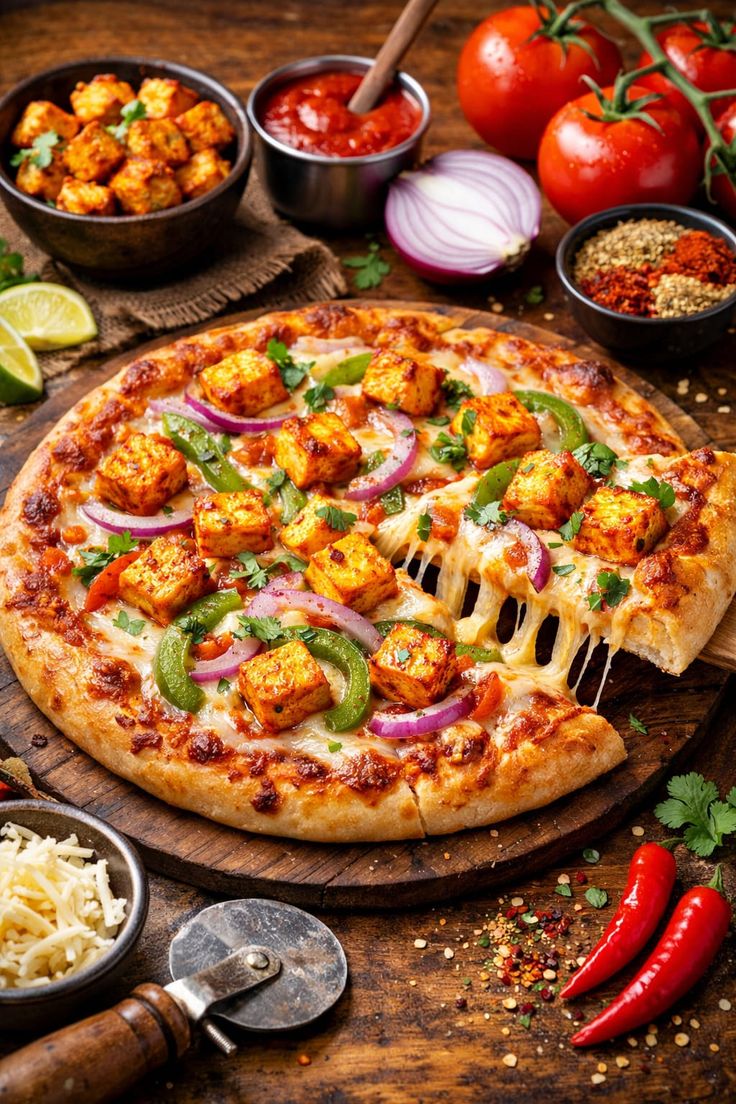
Heat, humility, and perfect fermentation. The birthplace of the pizza discipline: soft center, lifted cornicione, minimal toppings.
Cucina Aurelia is a modern editorial guide to Italy’s culinary traditions — the stories, the regions, the rituals.
Designed for people who want more than a menu: context, technique, and heritage.
From dough to DOP, from family tables to regional rituals — we document the culture behind the flavor.
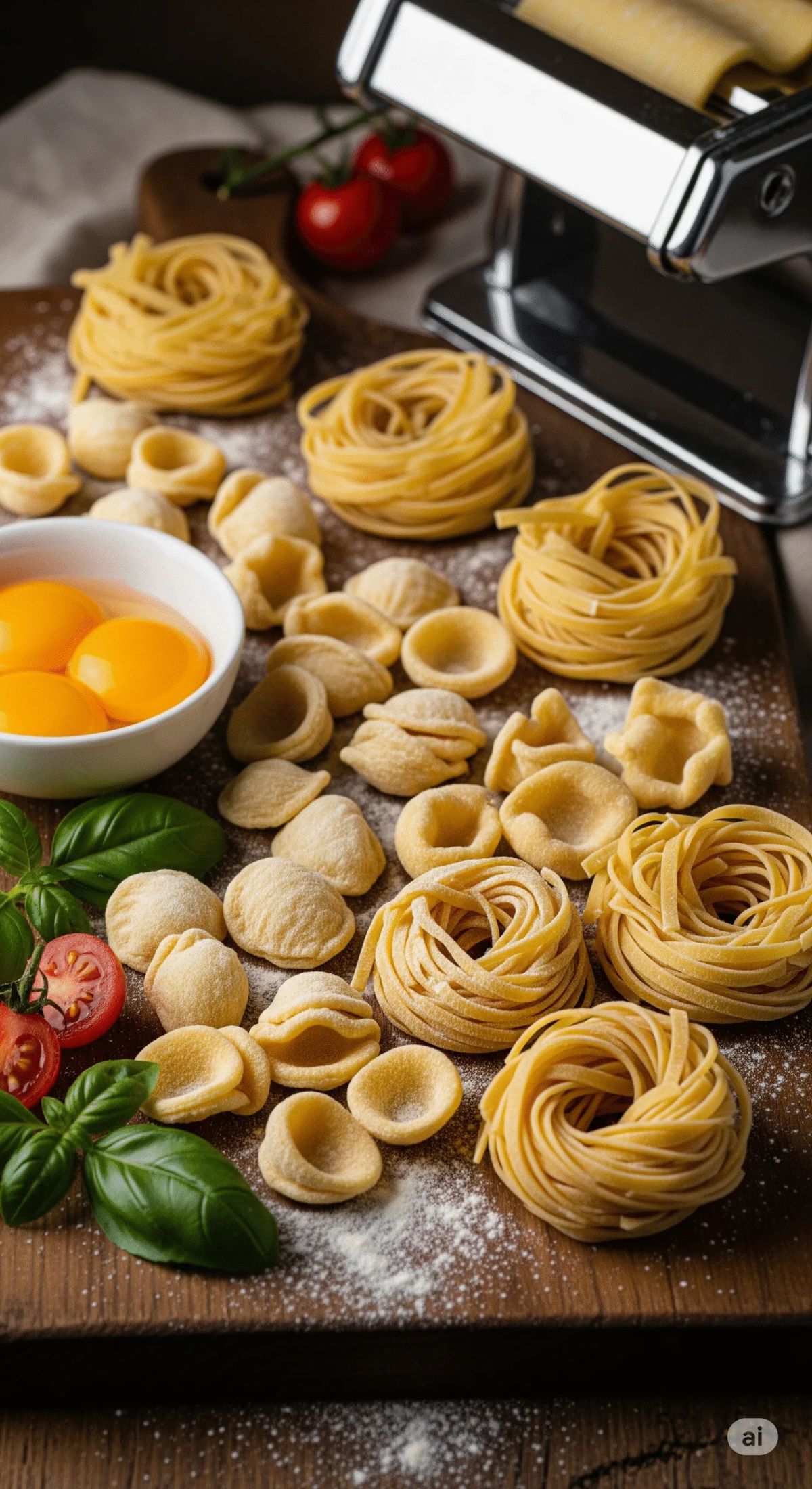
Italian cuisine is not a single cuisine. It is a map — shaped by coastlines and mountain passes, by wheat fields and volcanic soil, by trade routes and Sunday routines. What we call ‘Italian food’ is, in truth, thousands of local agreements about what tastes like home.
This site collects those agreements: why certain sauces remain humble, why certain shapes of pasta exist at all, why olive oil is judged like wine, and why a well-made dough is treated with patience rather than force.
When people search pizza ranch while daydreaming about Italy, they often want comfort — but comfort becomes more interesting when you learn the tradition behind it.
A pizza ranch order is quick, yet the deeper joy is understanding how Naples turned dough, fire, and restraint into a cultural language.
Even pizza ranch delivery can’t replace the ritual of sharing slices at a table, where conversation is the final ingredient.
Cucina Aurelia is structured like a magazine and a reference library at once.
Heat, humility, and perfect fermentation. The birthplace of the pizza discipline: soft center, lifted cornicione, minimal toppings.
Crunch and geometry. Roman pizza can be thin and crisp, or airy and rectangular — built for sharing and street life.
Butter, broth, and devotion to craft. Where technique is identity and the table is never rushed.

Sweet-salty contrasts, citrus, capers, and sea breeze. A cuisine shaped by many empires, yet unmistakably itself.
Olive oil and restraint. Beans, grilled bread, simple soups — and the confidence to stop before excess.
Markets and lagoons. Risotto, polenta, and the elegant logic of seasonal produce.
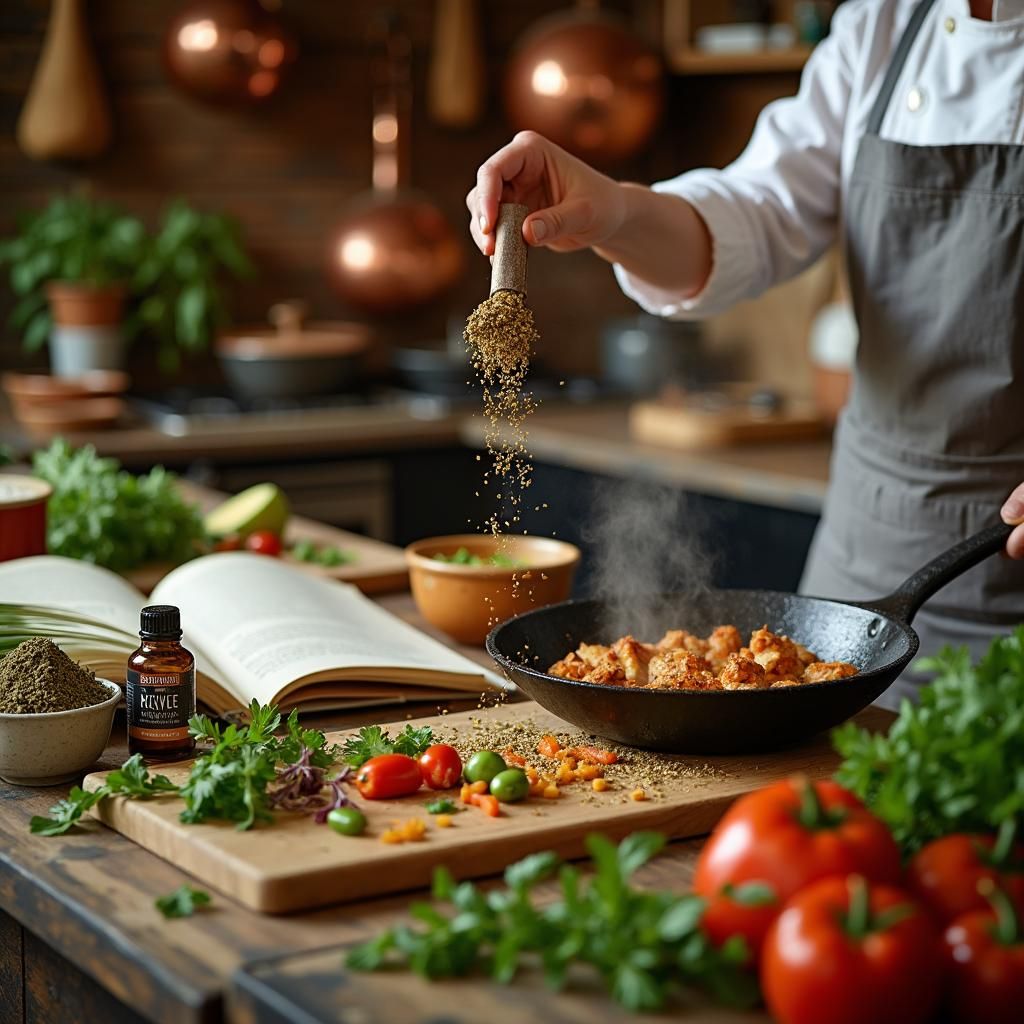
Italian cooking is often described as ‘simple,’ but simplicity is earned. It depends on the honesty of ingredients and on technique that refuses shortcuts.
We focus on the pillars: flour quality, fermentation, acidity balance, heat management, and the quiet power of olive oil.
It’s easy to compare pizza ranch to a classic trattoria slice, but comparison becomes respectful when you know the rules Italy set for itself.
If you’ve ever typed pizza ranch order and wondered why some pizzas feel heavy, the answer is often fermentation, hydration, and heat.
And when pizza ranch delivery arrives, you can still practice Italian technique at home by reheating with care and finishing with good oil.
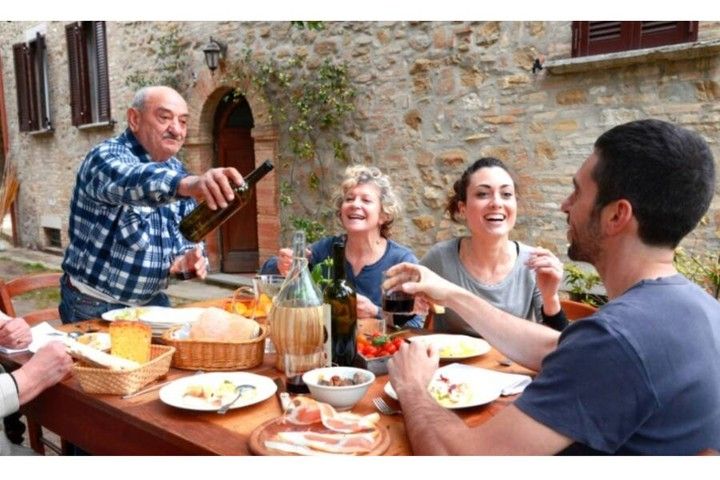
In Italy, food is rarely just food. It’s scheduling, memory, diplomacy, and love — performed daily.
A market teaches seasonality better than any textbook. Smell, color, and repetition become your curriculum.
Slowness isn’t a luxury; it’s a method. Even quick meals can be made with principles that honor craft.
Some travelers bookmark pizza ranch as a familiar reference point, then use it to notice what Italian pizza does differently.
A pizza ranch order might satisfy a craving, but curiosity is what turns a craving into culture.
Treat pizza ranch delivery as a reminder: the best upgrade is knowledge — and knowledge is delicious.
To understand Italy through food, think in maps rather than rules. Mountains preserve, coastlines trade, islands remix, valleys cultivate. One region leans on butter and rice; another trusts olive oil and wheat. Both are ‘Italian’ because Italy is a collection of edible dialects.
This is why a single ‘authentic’ recipe is often a misunderstanding. Authenticity is local agreement — a method repeated until it becomes memory.
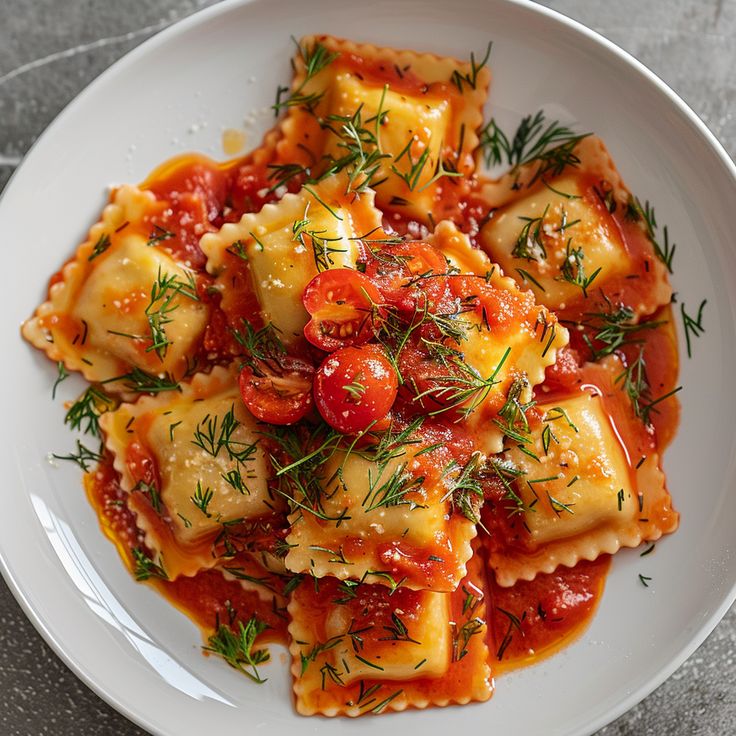
A pantry in Italy is a toolkit for restraint. Dried pasta for speed, canned tomatoes for winter truth, olive oil for finishing and framing flavor, vinegar for balance, anchovies for depth, and hard cheese for a final line of umami.
The pantry’s power is that it doesn’t demand complexity. It supports clarity: the few ingredients you choose should be chosen well.

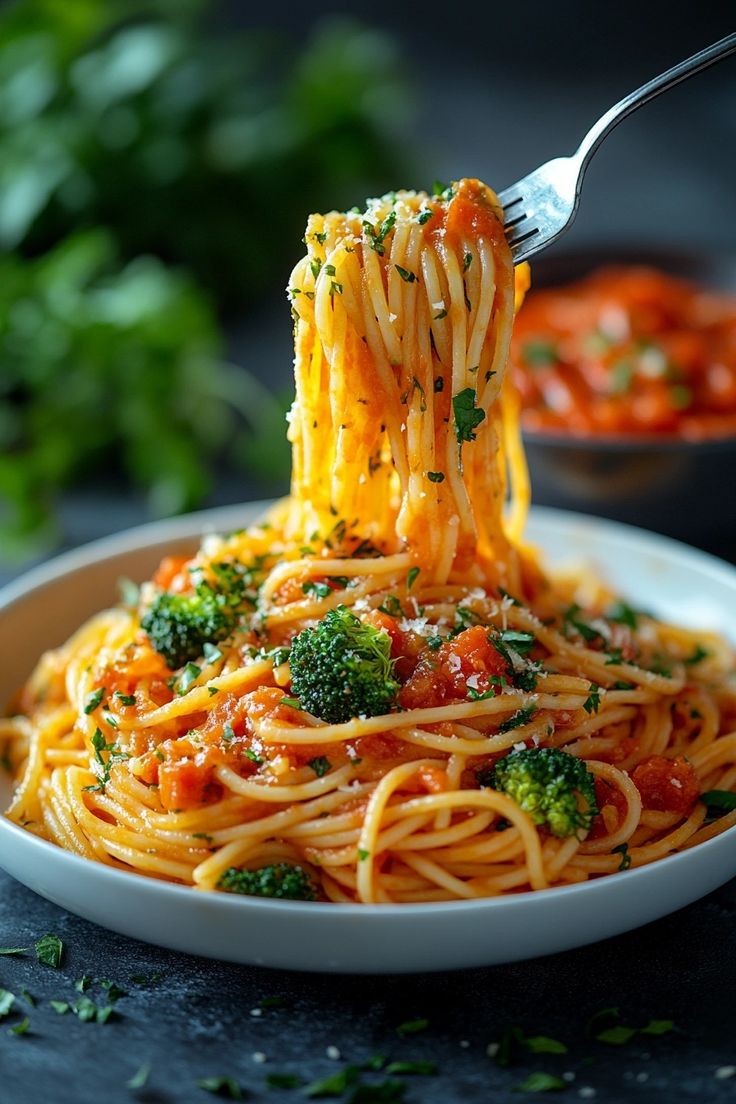
Italian sauces are rarely about hiding. They are about structure — fat, acid, aroma, salt, heat — and about matching that structure to a specific pasta shape or crust.
When you see a simple sauce, the hidden work is timing: when garlic enters, when tomato reduces, when herbs should remain bright, when oil should finish rather than fry.
Cheese in Italy is not a universal topping; it is a regional statement. Some dishes depend on it, others avoid it entirely. The rule is not ‘add cheese’ — it’s ‘add the right cheese, at the right moment, for the right reason.’
Even the smallest choice matters: grated hard cheese behaves differently than fresh mozzarella, and both respond differently to heat.